The Hectic Pace of Modern Life
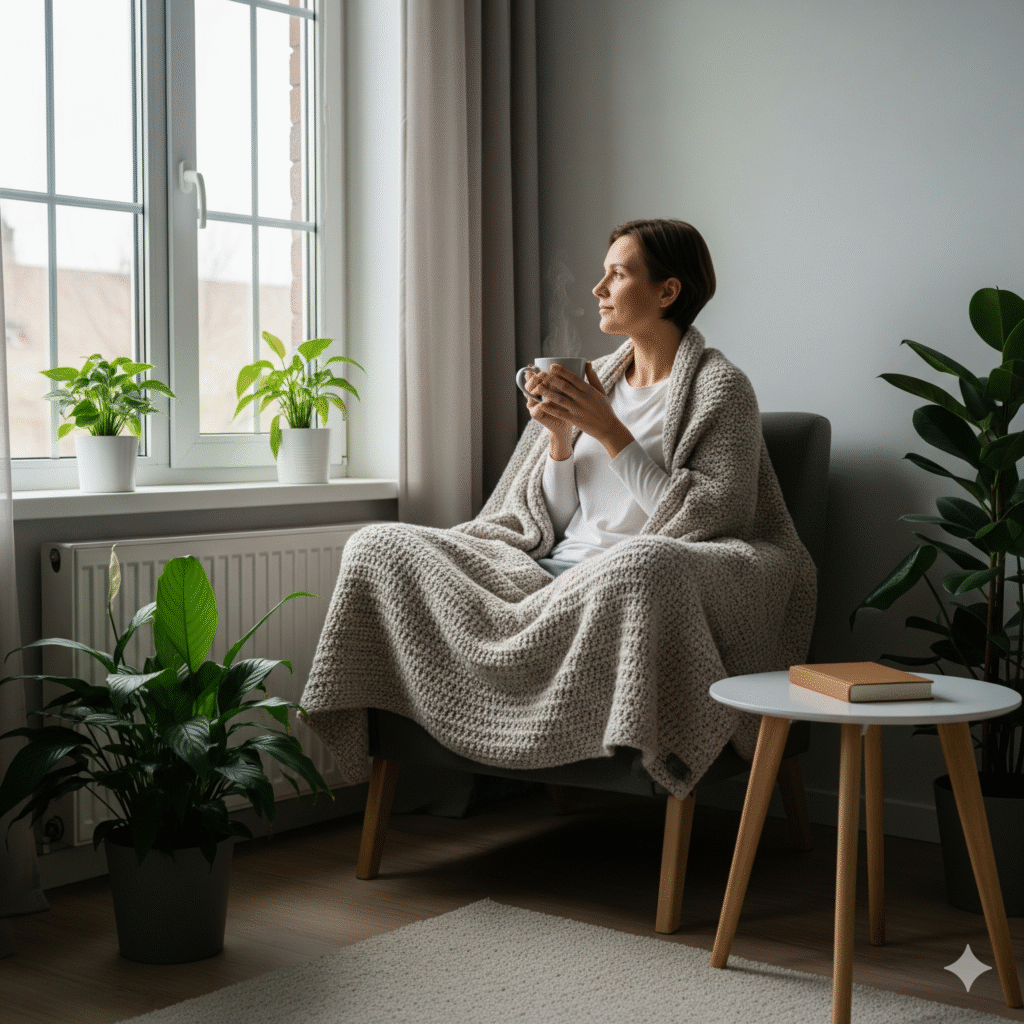
In a world that constantly glorifies busyness and hustle, finding a moment of peace can feel like a luxury. We’re all racing against deadlines, checking notifications, and trying to keep up, leaving us feeling drained and disconnected. But what if there was another way? The art of slow living isn’t about doing everything at a snail’s pace; it’s about being intentional with your time and energy. It’s about choosing quality over quantity, presence over productivity, and well-being over “what’s next.”
This approach helps you reconnect with yourself and find true fulfillment. It’s a gentle rebellion against the chaos, a way to reclaim your peace of mind. Here are five practical ways you can start practicing slow living today.
Our phones are often the biggest thieves of our time and focus. To practice slow living, set aside specific times each day to unplug. This doesn’t mean you have to abandon your devices forever. Instead, try creating “no-phone zones,” like your bedroom or during meals. Take a few hours on a weekend to completely disconnect from social media and news feeds. Use this time to read a book, go for a walk in nature, or simply sit in silence. This simple act can significantly reduce anxiety and help you appreciate the present moment.
Instead of rushing out of bed and into the day’s tasks, create a mindful morning ritual. Wake up 15 minutes earlier to do something for yourself. This could be anything from gentle stretching and meditation to enjoying a cup of coffee without distractions. A calm and centered start to your day sets a positive tone and prepares your mind to handle challenges with more clarity and less stress. It’s a small investment with a huge return for your mental health.
How often do you eat your meals while scrolling on your phone or watching TV? Slow living encourages you to savor your food. Take a moment to appreciate the colors, smells, and textures of your meal. Chew slowly and pay attention to the flavors. Eating mindfully not only improves digestion but also turns a routine task into a moment of pure enjoyment. It’s a simple way to practice gratitude and be fully present.
While we are social beings, spending quality time alone is crucial for mental recharge. Embrace solitude without feeling guilty. Use this time to journal, reflect on your thoughts, or pursue a hobby you enjoy, like painting or playing an instrument. Solitude allows you to process emotions, clear your head, and understand yourself better. It’s a vital part of self-care that helps prevent burnout and strengthens your inner world.
Modern life often leaves little room for hobbies. Cultivate a hobby that is just for you—something that brings you joy and has no connection to work or productivity. Whether it’s gardening, knitting, or learning a new language, engaging in creative activities helps you enter a state of “flow” where you lose track of time. It’s a powerful way to de-stress and nourish your creative spirit.
Conclusion: Your Journey to a More Intentional Life
The journey to slow living is personal and doesn’t happen overnight. It’s a continuous practice of making small, intentional choices that honor your well-being. By incorporating a digital detox, a mindful morning ritual, intentional eating, moments of solitude, and a creative hobby, you are not just slowing down—you are building a richer, more meaningful life. Start with one small change today and watch your peace of mind grow.