When winter stops being poetic and starts being physical
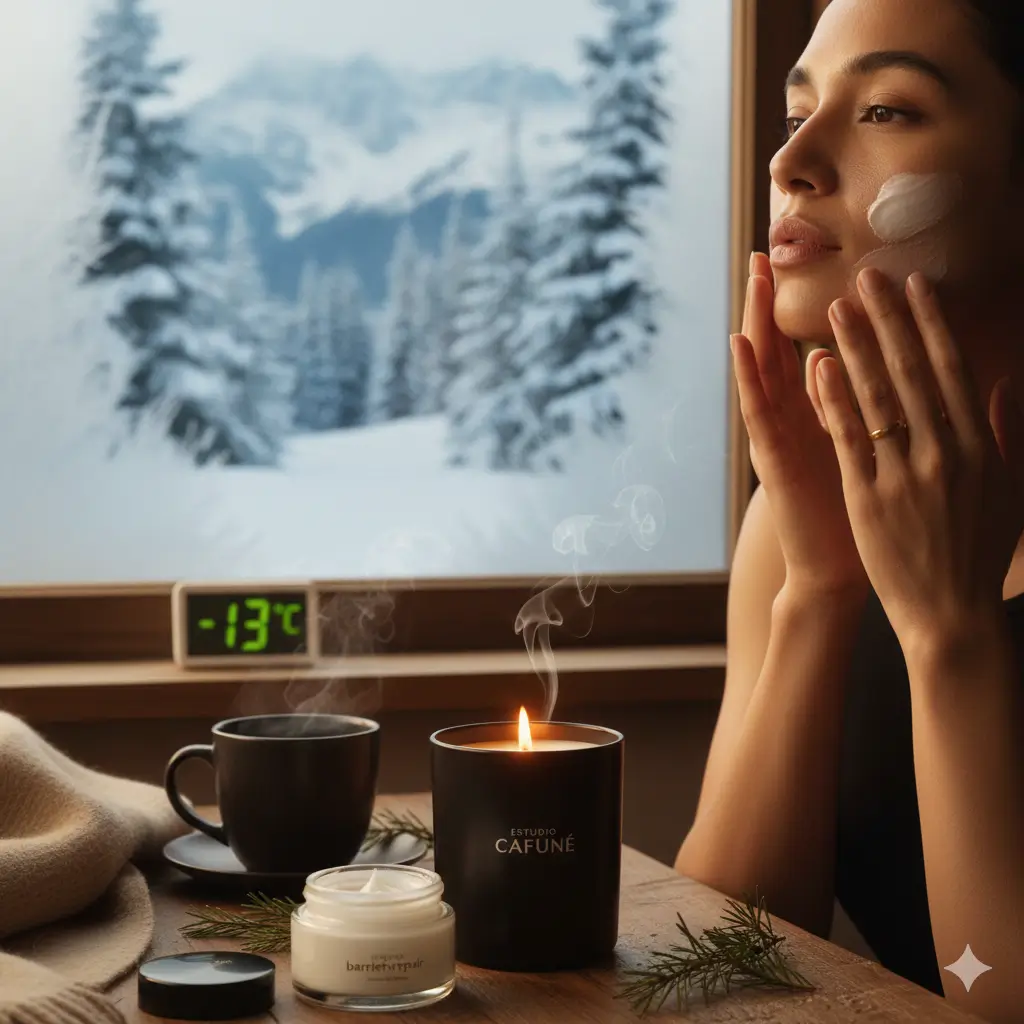
This morning, the world outside my window felt almost unreal. The temperature had dropped to -13°C, and the cold wasn’t just something you observe — it was something you felt immediately. The kind of cold that steals your breath for a second. The kind that makes your eyes water and your skin react before your mind has time to process what’s happening.
I know, I’m being a bit melodramatic. But what can I say? I’m a Brazilian girl born in the Northeast, one of the hottest regions in the country. Do you really expect me to say the temperature was “laughing warmly” at me? No, it definitely wasn’t. It had this “come here, come here” vibe, as if it wanted to give me a big hug—but definitely not the warm, fuzzy kind! (laughs).
Continuing the melodrama:
As I stepped outside and the icy wind hit my face, a thought crossed my mind — half ironic, half serious: Is this wind trying to gift me that romantic winter blush… or is it simply attempting to freeze my skin into surrender?
The truth is, my skin reacts to extreme cold just as intensely as it does to scorching summer heat. Different sensations, different aggressors — but the same message: adapt or suffer.
We often romanticise winter. Snow-covered streets, cosy scarves, warm drinks, candlelight. But for the skin, winter can be unforgiving. When temperatures drop this low, the environment becomes hostile. The air dries out, the wind strips away moisture, and suddenly your skin barrier — that invisible shield you rarely think about — is working overtime.
Over the years, living through intense seasonal contrasts has taught me something important: skincare is not static. What works beautifully in spring or summer can fail miserably in winter. Extreme cold demands respect, awareness, and a change in strategy.
This is how I adjust my routine — not in a dramatic, complicated way, but in a thoughtful, intentional one — to protect, nourish, and support my skin when the world turns into an ice box.
When the Cold Attacks the Skin Barrier: The Science of Survival
At temperatures like -13°C, the problem isn’t just the cold itself. It’s a chemical and physical shift in the environment. Cold air holds significantly less moisture than warm air. When you add indoor central heating to the mix, you create a “vacuum” effect that literally sucks the water out of your cells. This is known in the dermocosmetic world as Transepidermal Water Loss (TEWL).
Your skin barrier, or stratum corneum, is often described as a “brick and mortar” structure. The bricks are your skin cells (corneocytes), and the mortar is a rich mix of lipids (fats). When the wind at -13°C attacks, that “mortar” starts to crack.
You might notice these warning signs:
Structural Tightness: That uncomfortable pulling sensation after cleansing, as if your skin is a size too small for your face.
Inflammatory Redness: A persistent flush on the cheeks and nose that doesn’t go away once you’re indoors.
Texture Changes: Unexpected flakiness or “rough patches,” even if you traditionally have oily or combination skin.
Surface Rebellion: Your usual makeup starts sitting strangely, clumping in dry areas, or looking “cakey” because the skin is too dry to let the pigment blend.
Sensory Pain: A subtle burning or stinging sensation when applying products that usually feel fine.
These are not signs that your skin is “bad” or “sensitive” by nature. They are physiological distress signals. Your skin is asking for a change in strategy.
1. The Necessary Switch to Barrier-Repair Dermocosmetics
Winter is not the season for minimalism when it comes to barrier care. Living in South Korea, I’ve learned that the secret to “Glass Skin” in the winter isn’t more exfoliation; it’s more structural support. That lightweight gel moisturizer that felt perfect in the summer heat of the Northeast? It simply doesn’t have the “occlusive” power to survive -13°C.
In extreme cold, I consciously shift my focus from simple hydration to barrier repair. This is where dermocosmetics truly shine because they are formulated to be functional, not just decorative.
The Power Ingredients to Look For:
Ceramides (The Glue): These are essential lipids that make up 50% of your skin composition. In winter, your natural production slows down. Reintroducing them topically helps “re-glue” those bricks together.
Squalane (The Shield): A skin-identical lipid. Unlike heavy oils that can clog pores, Squalane mimics your skin’s natural sebum, preventing moisture loss while feeling weightless.
Panthenol (The Healer): Also known as Pro-Vitamin B5, it acts as a humectant (drawing water in) and an anti-inflammatory (calming the “bite” of the wind).
Glycerin (The Gold Standard): Often underrated, Glycerin is one of the most effective humectants in existence. It creates a reservoir of moisture that keeps the skin plump even when the air is bone-dry.
My Winter Rule: Support, don’t push. This means fewer high-percentage acids (like Glycolic or Salicylic), gentler cleansers that don’t “strip” the skin, and more focus on nourishing layers.
2. The Invisible Danger: SPF at -13°C
There is a dangerous myth that says: “The sun isn’t out, so I don’t need protection.” This is perhaps the most expensive mistake you can make for your skin’s health.
The reality of winter, especially in snowy landscapes, is that you are being hit by UV rays from two directions: directly from the sky and reflected from the snow. Snow can reflect up to 80% of UV radiation, nearly doubling your exposure. UVA rays, which cause DNA damage and premature ageing, are present with the same intensity year-round, even through thick clouds.
The result of skipping SPF in winter?
Windburn-Sunburn Hybrid: A painful condition where the wind weakens the barrier and the sun damages the exposed cells.
Persistent Erythema: Long-term redness that becomes harder to treat.
Deep Pigmentation: Dark spots (melasma or sunspots) can actually darken in winter due to the high reflection of light.
I opt for dermocosmetic SPF formulas that are enriched with moisturisers. They should feel like a protective “last layer” of your skincare, not a chalky addition. It’s about being a realist: your skin doesn’t care if it’s cold or hot; it only knows it’s being hit by radiation.
3. Creating a Warm Sanctuary: Aromatherapy as Skincare
I firmly believe that skincare is not only topical; it is neurological. As a Certified Professional Aromatherapist, I’ve seen how our internal state reflects on our face. When you are cold and stressed, your body is in “fight or flight” mode.
After facing the harsh outdoors, my body doesn’t just need a heater; it needs a sensory signal that the danger of the environment has passed. This is where my ESTUDIO CAFUNÉ ritual begins. Lighting a candle isn’t just about light; it’s about changing the air chemistry of your home.
The Winter Palette of Scents:
Cedarwood & Amber: These “base notes” provide a sense of security and grounding.
Sandalwood: Known for its ability to promote mental clarity and deep relaxation.
Warm Spices (Cinnamon or Clove): To stimulate a feeling of internal warmth.
The Skin-Mind Connection: Chronic exposure to the cold raises cortisol levels. High cortisol breaks down collagen and impairs the skin’s ability to repair itself overnight. By creating a “Sanctuary” with aromatherapy, you lower your cortisol. When your nervous system calms down, your skin can finally divert energy away from “protecting” and towards “regenerating.”
4. Hydration from Within: The Forgotten Habit
It is much harder to drink 2 litres of water when it’s -13°C than when it’s 30°C. We lose our thirst reflex in the cold, but our bodies are actually losing water rapidly through our breath (that “steam” you see when you exhale is moisture leaving your body!).
Dehydration from within shows up as “fine lines” that aren’t actually wrinkles — they are just thirsty cells. To combat this without drinking ice-cold water, I turn to The Warm Rhythm:
Herbal Infusions: Ginger to stimulate circulation, or Rooibos for an antioxidant boost.
Warm Lemon Water: To support the liver and skin detox processes.
Consistent Sipping: Not large amounts at once, but a steady flow of hydration to keep the barrier resilient.
Final Thoughts: Skin doesn’t need discipline — it needs listening
One of the biggest lessons living through these intense seasonal contrasts has taught me is that our skin is a living, breathing organ that communicates with us. Extreme cold is not a “failure” of your skin; it is a change in the environment that requires a change in your “shield.”
When you adjust your products, your habits, and your rituals, your skin responds with gratitude. It stops being a battle and starts being a collaboration. Protection replaces punishment. Nourishment replaces correction.
So, over to you: How is the weather where you are today? Does your skin feel the bite of the wind, or are you chasing the sun? Let’s share our winter (or summer) rituals in the comments below.
